
If you live with pelvic pain, leakage, pressure, or pain during intimacy, you may have already heard “that’s normal” more times than you can count. Maybe you stopped bringing it up because it felt embarrassing, or because no one seemed to take it seriously. You deserve better than that.
Pelvic floor physical therapy offers a real, evidence-informed path forward. At Bloom Pelvic Health and Wellness, we provide pelvic floor physical therapy in Needham with unhurried, private, and compassionate care. This guide explains what pelvic floor therapy is, who it helps, what happens in a session, and how to get started.
What Is Pelvic Floor Physical Therapy?
Pelvic health is rarely discussed in routine medical appointments, so many people never learn that a specialized form of physical therapy exists for it. Pelvic floor physical therapy focuses on the muscles, connective tissue, and joints in and around your pelvis. These structures support your bladder, bowel, and uterus, help control urination and bowel movements, contribute to sexual function, and work with your deep core muscles to stabilize your spine and hips.
It Is More Than Kegels
Many people assume pelvic floor therapy means doing endless Kegels. In reality, some pelvic floor problems come from muscles that are too weak, while others come from muscles that are too tight or poorly coordinated. Squeezing harder can actually make tight muscles more painful.
That is why a skilled assessment matters. Treatment may involve strengthening, but it often includes relaxation, breathwork and diaphragmatic training, movement correction, and hands-on techniques.
Why a Whole-Body View Matters
Your pelvic floor does not work alone. Your breathing pattern, posture, hips, lower back, and abdominal wall all influence how it functions. A root-cause approach looks at the full picture, not just one symptom in isolation.
Who Can Benefit from Pelvic Floor Physical Therapy?
Pelvic floor concerns can show up at nearly any age or life stage. Common reasons people seek pelvic pain treatment in Needham and surrounding areas include:
- Pelvic pain that is constant, cyclical, or flares with certain activities
- Urinary or bowel incontinence
- Painful intercourse
- A feeling of heaviness or bulging that may signal pelvic organ prolapse
- Abdominal separation after pregnancy (diastasis recti)
- Pelvic pain related to endometriosis
- Changes during perimenopause and menopause
- Pregnancy-related aches, pressure, or leakage
Pelvic Pain: The Condition That Deserves More Attention
Pelvic pain is one of the most undertreated and misunderstood conditions affecting women today. It can be persistent, cyclical, or triggered by specific movements and activities. It can interfere with work, relationships, exercise, and daily comfort. Yet many people are told to simply manage it or wait it out.
At Bloom Pelvic Health and Wellness, pelvic pain treatment is a primary focus. Whether your pain stems from muscle tension, scar tissue, sensitized tissue, or a condition like endometriosis, therapy can identify the contributing factors and build a plan to address them. For those with endometriosis, pelvic floor physical therapy can be a valuable part of a broader pain management approach, targeting muscle guarding, movement restrictions, and pressure patterns that amplify discomfort.
Painful Intercourse
Pain during intimacy is often linked to pelvic floor muscle tension, scar tissue, or sensitized tissue. Because these symptoms affect relationships and confidence, they deserve a thoughtful and respectful approach. Therapy works to restore comfort and function through manual therapy, myofascial release, and guided movement strategies.
Pregnancy and Postpartum
Pregnancy and childbirth place significant demands on your pelvic floor and core. During pregnancy, therapy can address back and pelvic pain, pressure, and leakage while helping you prepare for birth. After delivery, it supports recovery from perineal or cesarean healing, abdominal separation, pain with intimacy, and a gradual return to exercise.
Pelvic floor muscle training during pregnancy is associated with a lower risk of urinary incontinence, according to systematic reviews in the Cochrane Library. Care that begins early can make a real difference, but it is never too late to start.
Leakage, Urgency, and Bowel Concerns
Leaking when you cough, laugh, or exercise is common, but it is not something you simply have to accept. Pelvic floor physical therapy is widely recommended as a first-line, conservative treatment for stress urinary incontinence and other bladder concerns. Therapy can also address constipation, straining, and bowel leakage by improving muscle coordination and pressure management.
Pelvic Organ Prolapse
Prolapse occurs when the bladder, uterus, or rectum descends toward the vaginal canal because of reduced support. Pelvic floor physical therapy is a recognized conservative option for managing symptoms. Therapy focuses on improving muscle function, managing pressure through breathing and posture, and teaching movement and lifting strategies that feel supported.
Menopause and Healthy Aging
Hormonal changes during menopause can affect tissue comfort, bladder function, and muscle strength. Therapy can help you maintain strength, mobility, and balance, which supports healthy aging and fall prevention well into later life.
What to Expect at Bloom Pelvic Health and Wellness
If you are nervous about a first visit, that is completely normal. Bloom Pelvic Health and Wellness was designed to feel calm, private, and unhurried, so you can speak openly without feeling judged.
One-on-One, 60-Minute Appointments
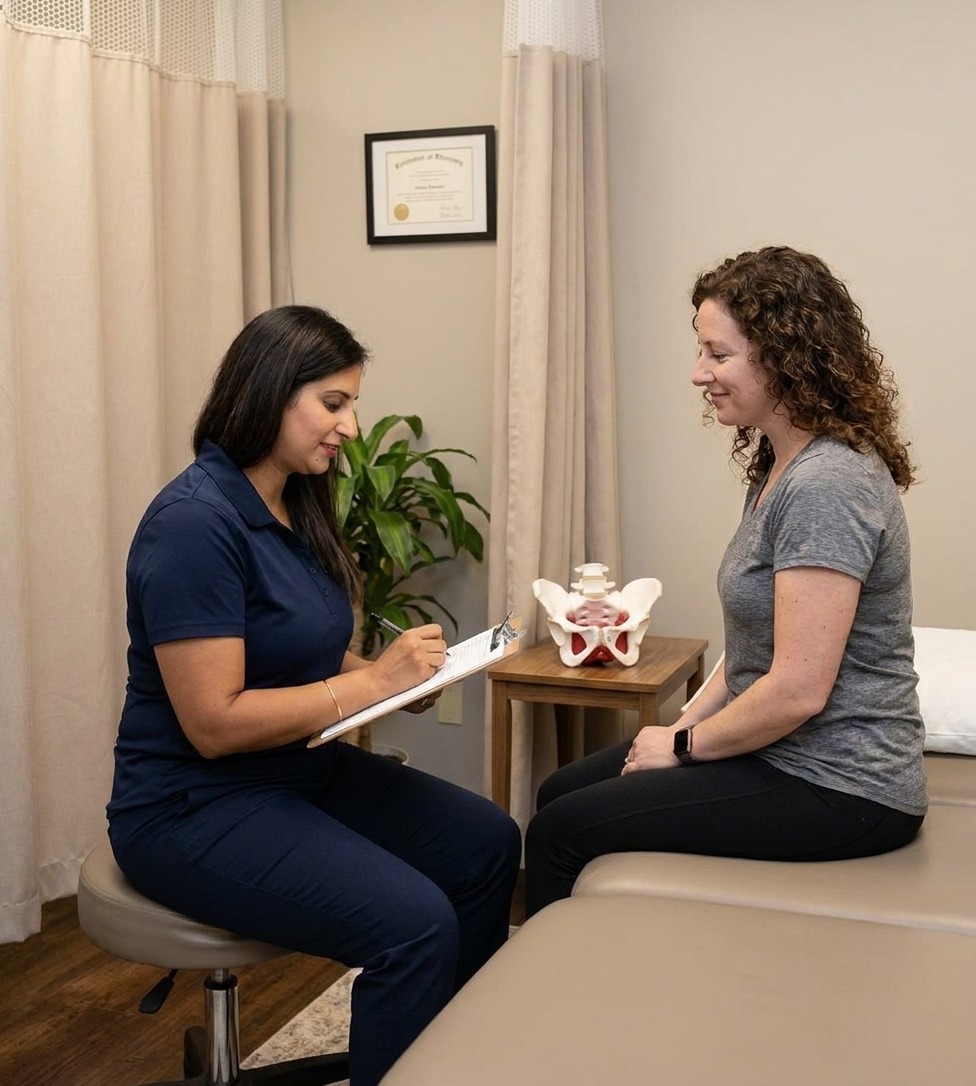
Every session at Bloom Pelvic Health and Wellness is a full hour with your Doctor of Physical Therapy. You will not be handed off to an aide or rushed through your visit. That time allows for a detailed conversation, a thorough evaluation, hands-on treatment, and education that makes sense for your body.
Expert Care from Dr. Jennifer Vohra
Bloom Pelvic Health and Wellness was founded by Dr. Jennifer Vohra, a certified pelvic floor specialist with more than 12 years of experience. She holds advanced training through the Herman & Wallace Pelvic Rehabilitation Institute and the APTA Academy of Pelvic Health. She also brings personal postpartum insight to her work, which shapes the empathy and understanding you will feel in the treatment room. You can learn more on the About page.
A Safe Space for Honest Conversations
Topics like leakage, painful intercourse, and bowel habits can feel awkward to discuss. At Bloom Pelvic Health and Wellness, they are everyday clinical conversations. You set the pace, ask any question, and decide what feels right at each step.
A Plan Built Around Your Goals
Your first visit centers on listening to your story. From there, a plan is built around what matters to you, whether that is playing with your kids without leaking, returning to running, or being comfortable during intimacy.
Our Approach: Restoring Balance and Empowering Your Body
The goal at Bloom Pelvic Health and Wellness is not just to quiet symptoms. The focus is on identifying the reasons they started so your progress can last. Your plan may include several of the following tools.
Movement-Based Assessment
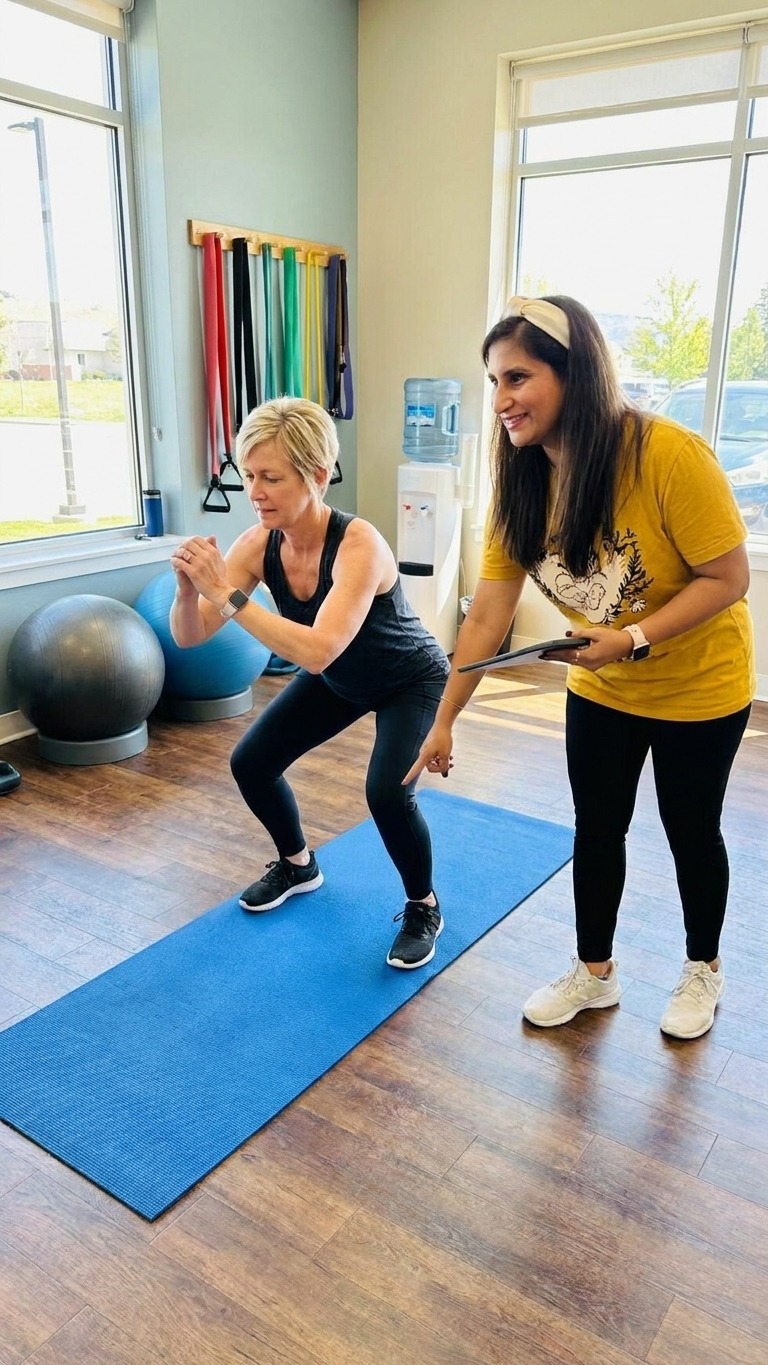
Care begins with a detailed history and a functional movement assessment and movement screen. Your therapist looks at how you breathe, stand, squat, walk, and lift, because pelvic symptoms often connect to patterns elsewhere in the body. These findings guide your plan and provide a baseline to track progress.
Manual Therapy and Myofascial Release
Hands-on care can ease tension, improve tissue mobility, and reduce pelvic pain. Depending on your needs, treatment may include:
- Manual therapy
- Myofascial release
- Soft tissue mobilization
- Joint mobilization
- Trigger point therapy
These techniques may be applied to the hips, lower back, and abdomen, as well as the pelvic region when appropriate. You remain in control, and every step is explained before it begins.
Breathwork and Diaphragmatic Training
Your diaphragm and pelvic floor move together as you breathe. When breathing patterns become shallow or tense, pressure can build in the pelvis and worsen symptoms. Breathwork and diaphragmatic training helps your pelvic floor lengthen and engage in a coordinated way.
Corrective Exercise and Strength Building
Once your tissues are moving well, your therapist guides you through exercises that fit your goals. This may include strength and conditioning, mobility and flexibility work, posture improvement, and balance training. If you are a runner or athlete, therapy can support a safe return to running or sport at a pace your body can handle.
Additional Tools for Targeted Relief
When appropriate, your therapist may incorporate dry needling, cupping, heat therapy, or cold therapy to calm stubborn muscle tension and support recovery. These tools complement your core plan rather than replace it.
Prehab and Post-Surgery Rehabilitation
If you are preparing for a procedure, therapy can help you build strength and learn movement strategies beforehand. If you are recovering from surgery, your therapist can guide your return to daily activity and work with progressions that respect healing.
Specialized Care for Every Stage of Life
Your pelvic floor changes throughout your life, and your care should adapt with it. Here is how Bloom Pelvic Health and Wellness supports you at each stage.
Prenatal and Postpartum Rehabilitation
Prenatal and postpartum rehabilitation is a core specialty at Bloom Pelvic Health and Wellness. During pregnancy, therapy helps you manage discomfort and build confidence in how your body moves. After birth, it supports rebuilding core and pelvic floor function, addressing diastasis recti, and easing back into the activities you love.
Bloom and Birth: Pelvic Floor Birth Prep Course
If you are expecting, the Bloom and Birth: Pelvic Floor Birth Prep Course provides practical tools to prepare for labor and delivery and plan for recovery. It is offered both in person and virtually, so you can participate in the format that suits your schedule.
Pelvic Pain and Endometriosis Support
Living with chronic pelvic pain is exhausting. Therapy works to identify the muscular and movement factors contributing to your pain, then builds a plan to calm your system and improve function. For those with endometriosis, pelvic floor physical therapy can be a meaningful part of a broader pelvic pain treatment strategy.
Menopause and Beyond
Bloom Pelvic Health and Wellness supports you through menopause with care that targets comfort, strength, and bladder control. The focus on healthy aging also includes balance, fall prevention, and the strength needed to stay active and independent.
Desk Workers and Everyday Life
Long hours at a desk can contribute to hip tightness, poor posture, and pelvic tension. Ergonomic guidance and posture work can be part of your plan, and therapy also supports your return to work after injury or surgery.
Why Choose Bloom Pelvic Health and Wellness for Pelvic Floor Physical Therapy in Needham?
You have options, and it helps to know what makes care at Bloom Pelvic Health and Wellness different.
Time, Attention, and Expertise
Bloom Pelvic Health and Wellness is an independent practice. That means care is shaped by what you need, not by time limits set by outside systems. Combined with Dr. Vohra’s experience and advanced certifications, you receive thorough, patient-centered pelvic pain treatment from start to finish.
Flexible Access
Life is busy, and care should fit into it. Morning, evening, and weekend appointments are available. You can be seen in person at the Needham or Chelmsford locations, or join virtual sessions from home when that works better.
Care That Treats the Whole Person
The root-cause approach at Bloom Pelvic Health and Wellness blends manual therapy, myofascial release, breathwork, and corrective exercise. You will leave each session with a clearer understanding of your body and practical steps you can use right away. Explore the full list of services on the Services page.
How to Get Started with Pelvic Floor Physical Therapy in Needham
Taking the first step can feel vulnerable. Bloom Pelvic Health and Wellness keeps the process simple and supportive.
Do You Need a Referral?
In most cases, Massachusetts allows you to see a physical therapist without a physician referral. You can reach out directly when you are ready.
What Happens at Your First Visit
Your first appointment is a full hour with your Doctor of Physical Therapy. Your therapist will talk through your history, symptoms, and goals, then perform a movement-based evaluation. You will leave with a clear picture of what is contributing to your symptoms and what your next steps look like.
In-Person or Virtual Care
If you prefer to be seen in person, you can visit Bloom Pelvic Health and Wellness in Needham or Chelmsford. If travel or scheduling is a barrier, virtual sessions provide guidance, education, and exercise coaching from home. For more reading on pelvic health topics, visit the blog.
Reclaim Your Comfort and Confidence with Bloom Pelvic Health and Wellness
You do not have to keep living with pelvic pain, leakage, or discomfort, and you do not have to feel unheard. Pelvic floor physical therapy offers real options, and the right support can make the process feel safe and empowering.
If you are ready to start, contact Bloom Pelvic Health and Wellness today to book your first appointment for pelvic floor physical therapy in Needham. Whether you join in person or online, you will find a caring, private space and a therapist who will listen. Visit the home page to schedule your visit and take the first step toward feeling like yourself again.